
Family Day, Valentine’s Day, and the Quiet Role of Home
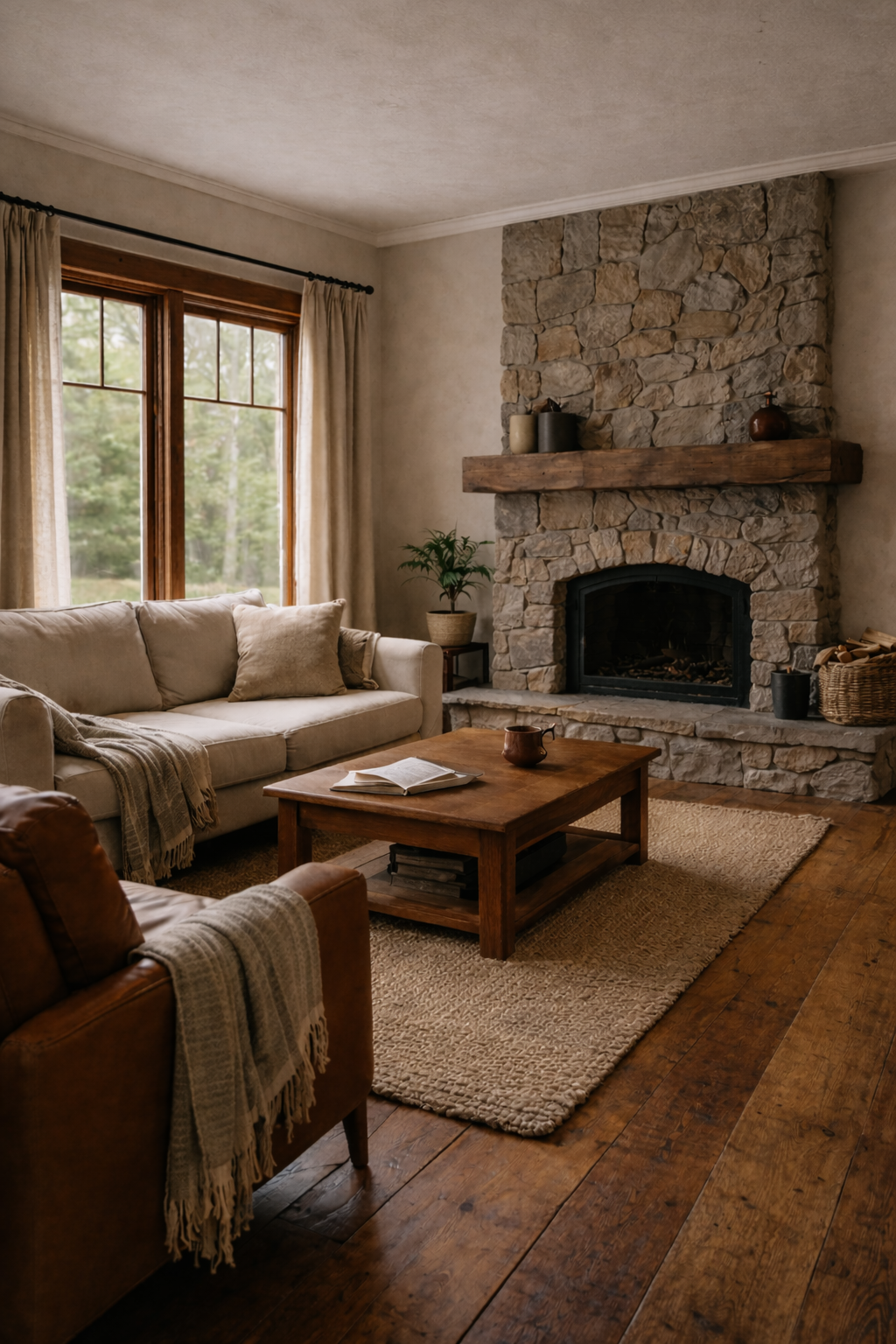
February has a different feel to it.
It’s colder. Slower. People spend more time at home than they expect to. Two holidays land close together — Valentine’s Day and Family Day — and without much effort, they shift attention inward.
Not in a dramatic way.
Just in a noticing way.
You start to notice how space feels when you’re actually living in it. You notice what works easily — and what quietly creates friction. You notice routines more than finishes, and flow more than features.
This time of year has a way of revealing those things.
A Different Kind of February
February doesn’t rush you.
There are fewer distractions, fewer reasons to be out late, fewer places to be in a hurry. Long evenings and slower mornings compress time at home in a way that summer never does.
That compression is subtle, but meaningful.
Meals stretch a little longer. Conversations linger. Shared spaces get used more often, and private spaces matter more than usual. Even homes that felt “fine” a few months ago can suddenly feel louder, tighter, quieter, or calmer — depending on how they’re set up and how life is unfolding inside them.
None of this is intentional. It just happens.
What Home Makes Easier — and What It Doesn’t
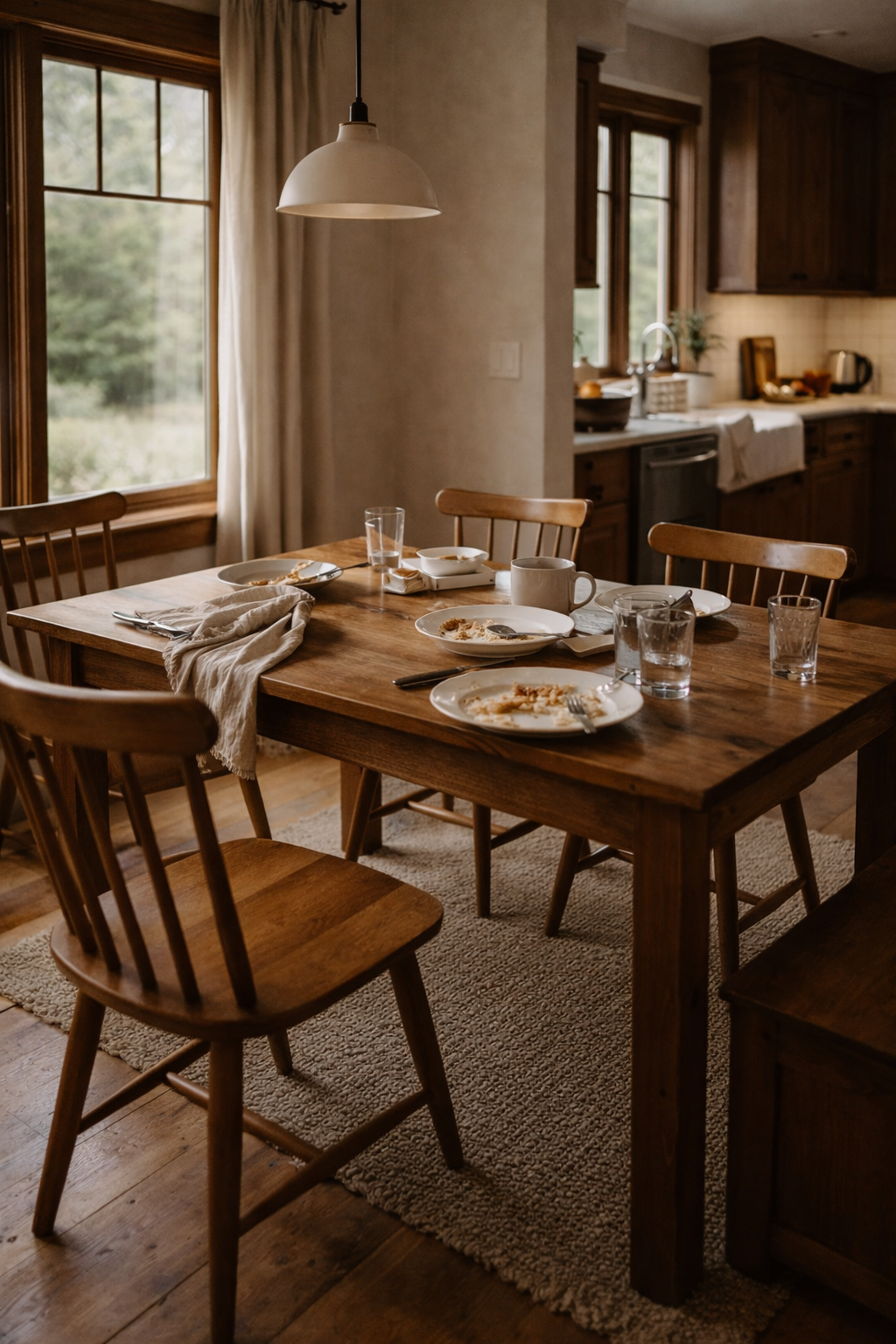
Home means something different depending on the season of life you’re in.
For some, it’s movement and noise and shared calendars. For others, it’s quiet mornings, empty chairs, or rooms that feel larger than they once did. Neither is better. They’re just different chapters.
What often surprises people is how much their home amplifies those experiences.
It’s rarely about square footage.
It’s about how space behaves.
Where people naturally gather.
Where they retreat.
How sound travels.
How light moves through a room at different times of day.
When those things work well, daily life feels lighter. When they don’t, tension shows up quietly — and often gets blamed on everything except the space itself.
Patterns You Start to Notice Over Time
Over time, working with homeowners, certain patterns become hard to ignore.
Homes that feel calm aren’t always bigger or newer. They tend to support togetherness without forcing it, and privacy without isolation. They allow people to share space easily, but separate without friction.
Small details tend to matter more than people expect:
-
Sightlines
-
Noise bleed
-
Natural light
-
Transitional spaces between “together” and “alone”
People don’t usually articulate these things upfront. They’ll talk about bedrooms and bathrooms, or kitchens and storage. But what they’re responding to — especially during slower weeks like this — is how the home supports everyday moments.
Holidays like Family Day and Valentine’s Day make that more visible. They compress time. They reveal habits. They highlight what already exists.
Home doesn’t need to be perfect to work well.
It just needs to support how people actually live now — not how they lived five or ten years ago. That alignment shifts over time, often quietly, until one day it becomes impossible to ignore.
This weekend isn’t about housing decisions.
It’s about presence.
But for many people, it’s also when small realizations start to form — about space, routines, and what “home” really means in this season of life.
Those realizations tend to matter more than people expect.

Categories
Recent Posts