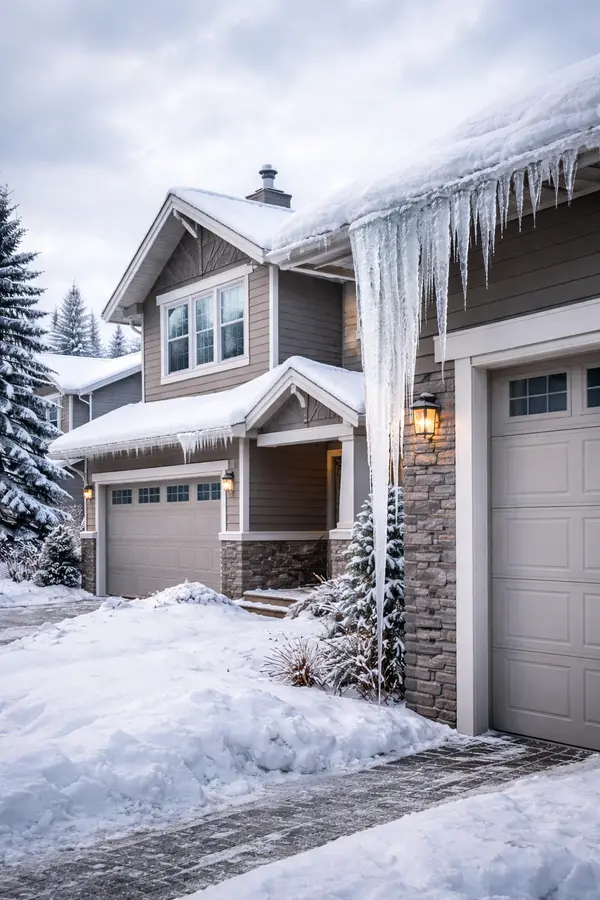

Spring Is Almost Here — Helping Your Home Get Ready for Calgary’s Rainy Season
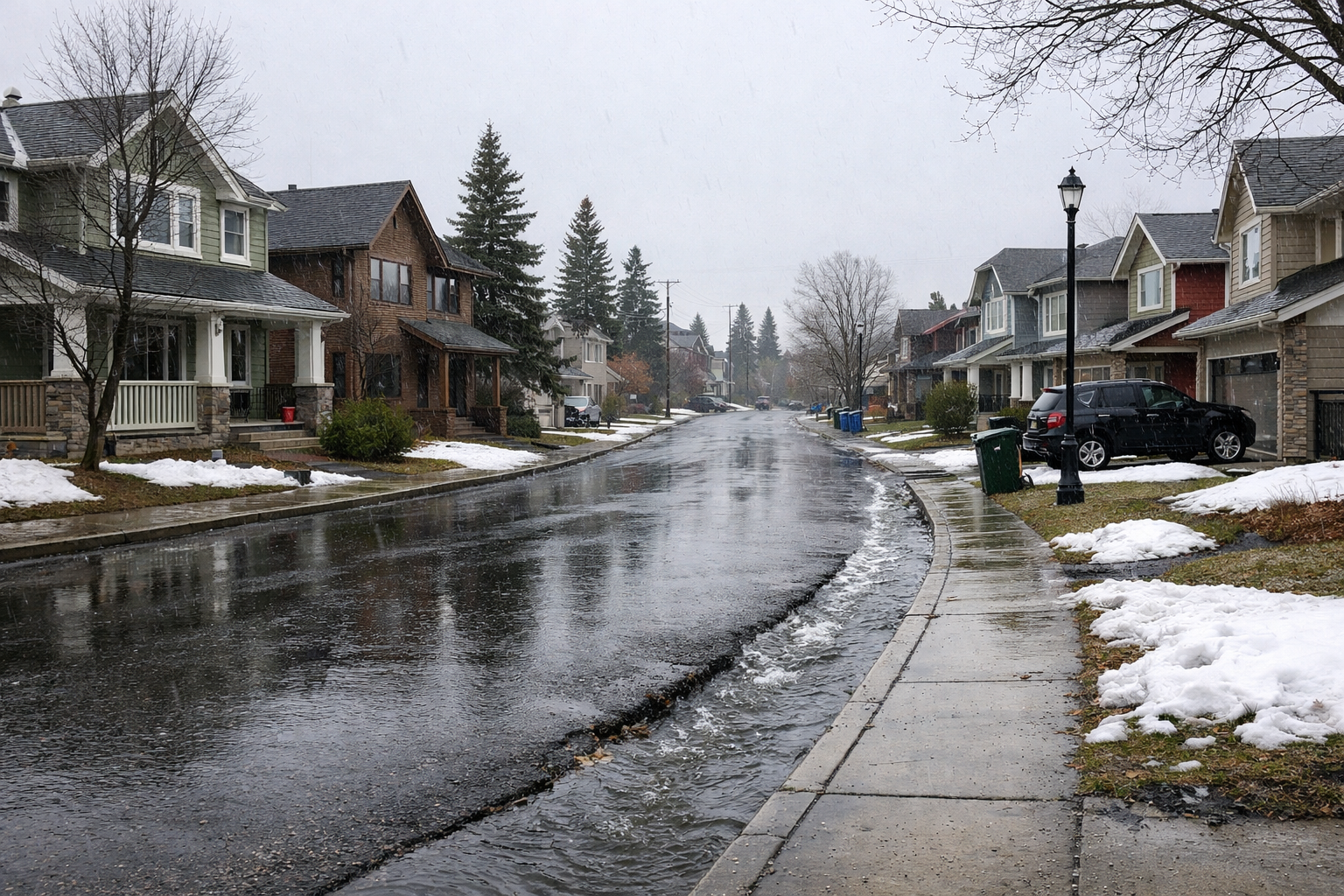
After a long Calgary winter, spring rain and changing ground conditions can reveal hidden issues around the home. Living and working in Calgary, it’s easy to notice how quickly seasonal changes can affect homes across the city.
Last year’s unusually wet late spring resulted in widespread basement moisture and flooding in many neighbourhoods. Seasonal weather can vary year to year, which is why early awareness may be helpful.
A little early attention may help prevent moisture problems and costly repairs.
Quick Spring Home Checklist
If you only have a few minutes, these are some of the key things homeowners may want to keep an eye on:
- Watch for water pooling near your foundation
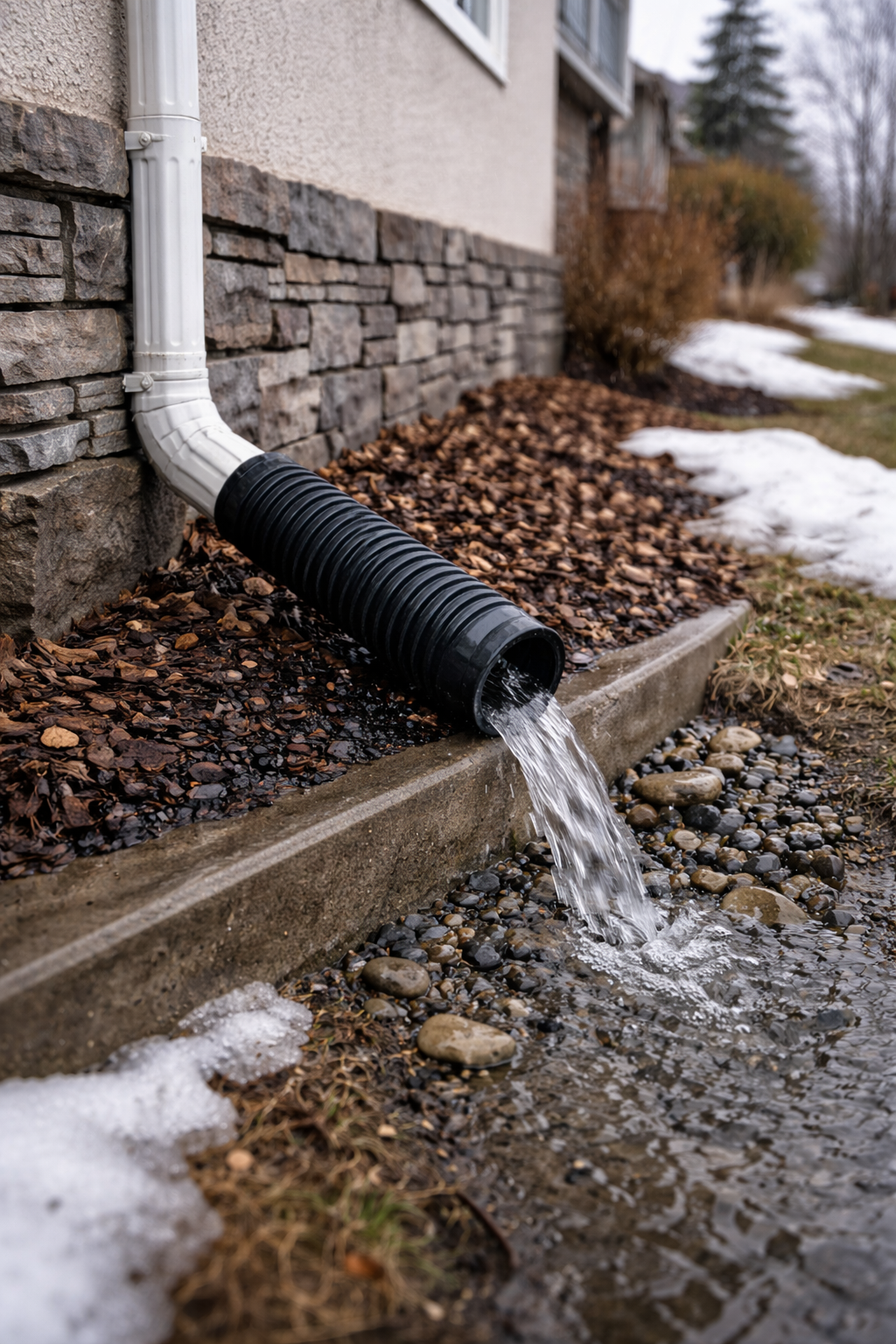
- Confirm downspouts are directing water away from the home
- Test your sump pump
- Check that outdoor water lines are safe to turn on
- Adjust humidifier settings as temperatures rise
- Look for visible exterior wear after winter
What Causes Most Spring Issues in Calgary Homes
Spring in Calgary can be unpredictable. A few common factors tend to contribute to issues this time of year:
- Ground that remains saturated after winter
- Rapid temperature swings
- Periods of heavy rainfall
- Water not draining properly away from the home
These conditions can put pressure on areas of the home that may have handled winter just fine but struggle during moisture-heavy periods.
Visually Check Your Roofline
A quick look from ground level can often reveal early signs of wear.
- Look for missing or uneven shingles
- Notice any sagging or unusual rooflines
If anything looks out of place, a qualified roofing professional can safely inspect further. Small issues at the roof level can sometimes allow moisture in during extended rain.
Consider Clearing Eavestroughs and Downspouts
As spring progresses, debris can collect in drainage systems and affect how water is directed away from your home.
- Remove visible debris from downspouts if safely reachable
- If using water to test flow, consider doing so briefly and mindfully
- Confirm water is being directed away from the home
If water isn’t flowing properly, it may end up near the foundation instead of being directed away. This is one of the more common contributors to moisture issues around the home. Professional cleaning services are often the safest option for full clearing.
Walk Around Your Foundation
A simple walk around your home can often reveal early signs of potential moisture concerns.
- Look for new or widening cracks
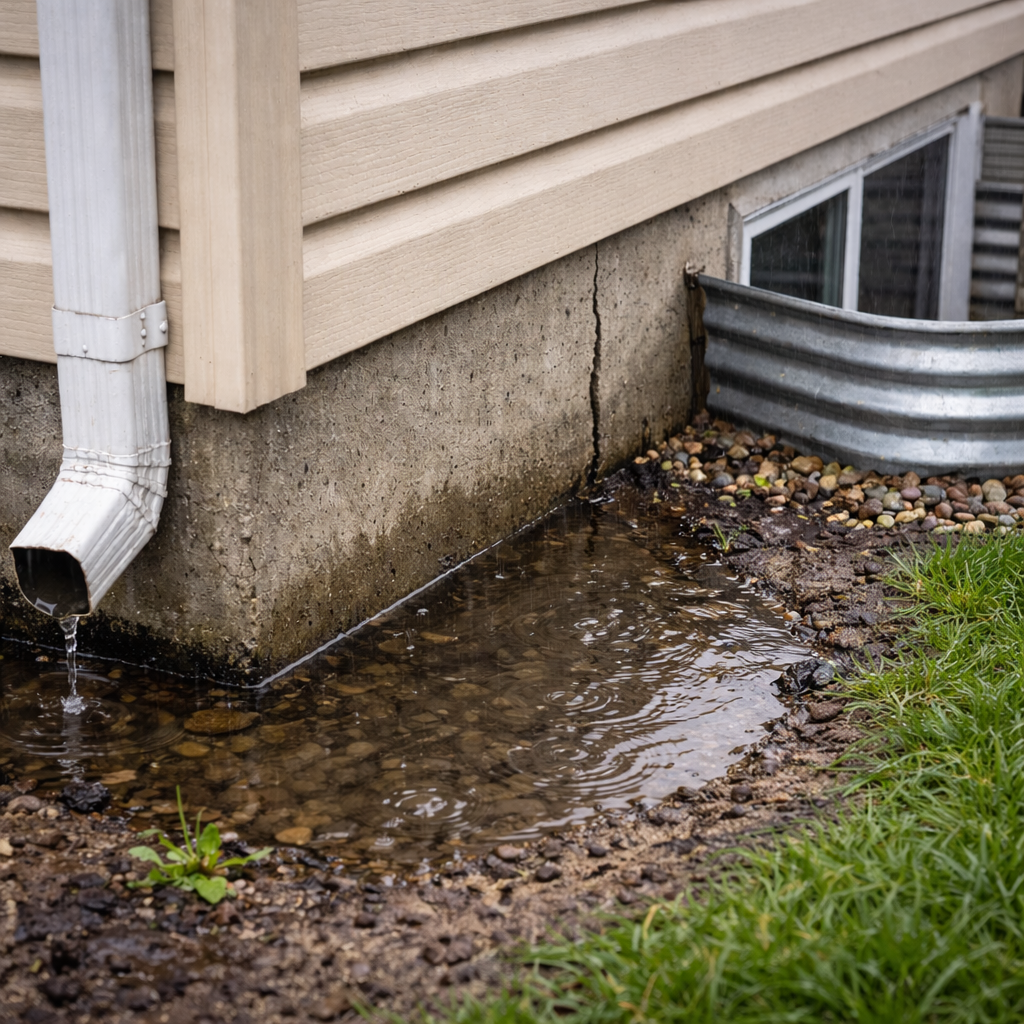
- Check for standing water near walls
- Observe whether the ground slopes away from the house
- Pay attention to hard surfaces like sidewalks, patios, or driveways that may direct water toward the foundation
Water sitting too close to the home for extended periods may increase the risk of moisture entering lower levels. Over time, this can contribute to basement moisture concerns in many Calgary homes.
Check Windows and Doors
Seasonal changes can take a toll on seals around openings.
- Look for worn or cracked caulking
- Ensure weather stripping appears intact
- Clear debris from window wells
Gaps around windows and doors may allow moisture in during prolonged wet weather.
Outdoor Water Taps and Sprinklers
As temperatures rise, homeowners may consider turning on outdoor water lines.
- Wait until overnight lows are consistently above freezing
- Open taps slowly and watch for leaks
- Remember that hose bibs and sprinkler lines can freeze in April just as easily as mid-winter
If a line was damaged over winter, leaks may only become noticeable once water is running again.
If You Have Central Air Conditioning
As warmer weather approaches, it may be time to prepare your A/C system for use.
- Consider removing the cover once freezing temperatures have passed
- Clear leaves or debris from around the unit
- A professional spring service may help ensure proper operation
Allowing proper airflow helps the system operate more efficiently once temperatures rise.
Test Your Sump Pump (If Equipped)
Spring is one of the busiest times of year for sump pumps, especially during periods of heavy rain.
- Pour a small amount of water into the sump pit (enough for the float to activate)
- Confirm the pump activates and drains
Also Consider the Discharge Pipe
- Look at where the sump pump discharge pipe releases water outside
- Confirm the ground slopes away from the foundation at that location
If discharged water flows back toward the home, it may increase the likelihood of moisture issues over time.
Exterior Walls, Decks, and Fences
Winter conditions can leave exterior surfaces exposed to wear.
- Look for peeling paint or exposed wood
- Check decks and railings for loosened boards
- Observe fences for signs of shifting
Painted or sealed exterior surfaces can help reduce moisture absorption and may extend the lifespan of materials over time.
Adjust Furnace Humidifier Settings
During winter, humidifier settings are often kept low to prevent window condensation. As outdoor temperatures rise, many homes can tolerate slightly higher humidity levels.
- Consider gradually adjusting settings for comfort
- If you notice condensation forming on windows, humidity levels may be too high
Balanced humidity can improve comfort without introducing moisture concerns.
Replace Furnace Filters
- Swap in a fresh filter if due
- Consider booking routine servicing if needed
Clean filters help maintain airflow and overall system performance.
Driveways and Walkways
Freeze-thaw cycles can affect hard surfaces.
- Look for new cracks or lifted sections
- Mark areas that may need repair later
Water entering small cracks can expand and worsen damage over time.
A Few Other Simple Things to Keep an Eye On
- Consider testing smoke and carbon monoxide detectors
- Check that exterior vents are clear of debris
- Look at window well drainage after a rain
- Pay attention to musty smells in lower levels
- Listen for unusual plumbing or furnace noises
These observations don’t always indicate a problem, but noticing changes early can be helpful.
When It May Be Worth Calling a Professional
Some situations may be worth a closer look:
- Persistent water near the foundation
- A sump pump that doesn’t activate
- Cracks that appear to be widening or changing over time
- Ongoing condensation or moisture concerns
Having something looked at early may help prevent larger issues later.
Calgary Spring Tip
Because Calgary’s ground can remain saturated well into spring, temporary pooling water can be common and could pose a problem if left for too long. If water remains near your foundation for more than a day or two, improving drainage may help avoid future issues.
A Friendly Reminder
This list isn’t complete, and every property is different. If you see something that doesn’t look quite right, it may be worth having it looked at sooner rather than later. Small observations caught early can help prevent bigger, more costly problems down the road. Proactive maintenance is often far less expensive than emergency repairs.
A little attention during the spring season can go a long way in helping your home handle Calgary’s changing conditions.
Written by Clint Nogier, REALTOR®

Disclaimer - The information provided in this article is intended for general home maintenance awareness only. Every property is different, and conditions may vary. These suggestions are not a substitute for professional inspections or qualified tradesperson advice. The author, Clint Nogier, REALTOR®, is not a licensed contractor, home inspector, engineer, or tradesperson. Homeowners should use their own judgment and consider consulting qualified professionals before undertaking repairs, maintenance, or system adjustments.
Categories
Recent Posts